
Affiliate marketing continues to grow and adapt, shaping the digital marketing landscape. In 2024, success in affiliate marketing will rely heavily on leveraging new technologies, strategic partnerships, and effective content creation. As I explore the current trends and strategies, I will highlight how businesses and individuals can capitalize on these shifts to maximize their potential.
With the rise of social media and advanced analytics, the affiliate marketing ecosystem is evolving rapidly. I am excited to dive into the tactics that are proving successful this year and how affiliates can better connect with audiences. Understanding these dynamics will allow marketers to navigate this space more effectively.
Finding the right strategies and tools is essential for those looking to thrive in affiliate marketing. I will share insights into measuring success and adapting to the latest regulations. Stay tuned for actionable advice that can help elevate your affiliate marketing efforts in 2024.
Key Takeaways
- Adapting to new technologies is crucial for success in affiliate marketing.
- Collaborations and co-marketing strategies can enhance reach and effectiveness.
- Measuring ROI accurately will help refine affiliate strategies and drive better results.
Evolution of Affiliate Marketing

Affiliate marketing has grown significantly over the years, driven by changes in technology and consumer behavior. I find it important to recognize its historical context and the technological advancements that are shaping its future.
Historic Performance and Growth
When I look back at affiliate marketing’s history, the growth has been remarkable. In the early 2000s, the market was relatively small, focused mainly on direct marketing tactics. As technology evolved, so did the strategies used by marketers.
By 2023, the U.S. affiliate marketing industry reached an annual spending of about $8.2 billion, reflecting a 10.8% year-over-year increase. This growth is not just about numbers; it shows how companies are increasingly relying on affiliate programs for boosting sales.
A significant shift occurred as businesses recognized the power of performance-based marketing. Marketers began to see the value of partnerships with affiliates, leading to wider adoption and more diverse programs. As a result, I believe that this trend will continue into 2024 and beyond.
Impact of New Technologies
The integration of new technologies is transformative for affiliate marketing. In 2024, I see artificial intelligence (AI) playing a crucial role. AI can analyze data more efficiently, helping marketers identify trends and optimize their campaigns effectively.
Additionally, the rise of social media platforms and content creation tools has allowed affiliates to reach broader audiences. For instance, TikTok’s influence cannot be overlooked. Its short video format encourages creativity, making it easier for products to gain visibility.
Moreover, advancements in tracking software have improved transparency. Marketers can now understand where their traffic comes from and how effective different affiliates are. This data-driven approach allows for better budget allocation.
Changing Affiliate Marketing Landscape
The landscape of affiliate marketing is changing rapidly. As I review the trends for 2024, I notice a shift toward greater collaboration between brands and affiliates. Businesses are now focusing on building long-term partnerships rather than short-term campaigns.
Another notable trend is the emphasis on niche markets. Many affiliate marketers are focusing on specific areas, which helps them build expertise and trust with their audience. This shift allows brands to target their efforts more strategically.
Furthermore, I observe that more marketers are planning to increase their affiliate budgets. According to recent data, 62% of marketers intend to invest more, reflecting a growing confidence in this channel to drive results. This focus on targeted investments will likely shape future strategies in affiliate marketing.
The Affiliate Marketing Ecosystem
The affiliate marketing ecosystem involves various key players and their interactions. Understanding these relationships can help affiliates and brands maximize their success.
Key Stakeholders and Roles
In the affiliate marketing landscape, there are essential players: affiliates, brands, and affiliates programs. Affiliates promote products or services through unique links, earning commissions on sales generated. I often see affiliates in niches like fashion, beauty, and wellness, where they can effectively reach targeted audiences.
Brands, on the other hand, seek to expand their reach and increase sales. They partner with affiliates to tap into new markets without upfront advertising costs. The success of affiliate marketing largely depends on how well these parties collaborate and communicate. Clear objectives and performance metrics are critical for everyone involved to thrive.
Affiliate Networks and Programs
Affiliate networks act as intermediaries between affiliates and brands. They help streamline the process of finding partners and managing campaigns. By joining an affiliate program, I gain access to various tools and resources to boost my marketing efforts.
Some of the most popular networks include Amazon Associates, Rakuten, and CJ Affiliate. These platforms provide support, reporting, and payment processing. They allow brands to manage many affiliates effectively and track performance in real time. Engaging with the right network can significantly impact an affiliate’s income and success in the market.
Emerging Niches and Industries
Many new opportunities arise in emerging niches. In 2024, I see notable growth in sectors like travel, sports, and wellness. The rise of e-commerce has opened doors for unique affiliate marketing strategies catering to specific audience needs.
For instance, wellness products, such as supplements and fitness gear, have gained popularity. Affiliates in this niche may create content that centers on healthy living and self-care. Additionally, travel affiliates can leverage social media to showcase destinations and experiences, driving traffic to booking sites. By aligning with trends, I can capitalize on growth within these exciting markets.
Strategies for Success in Affiliate Marketing
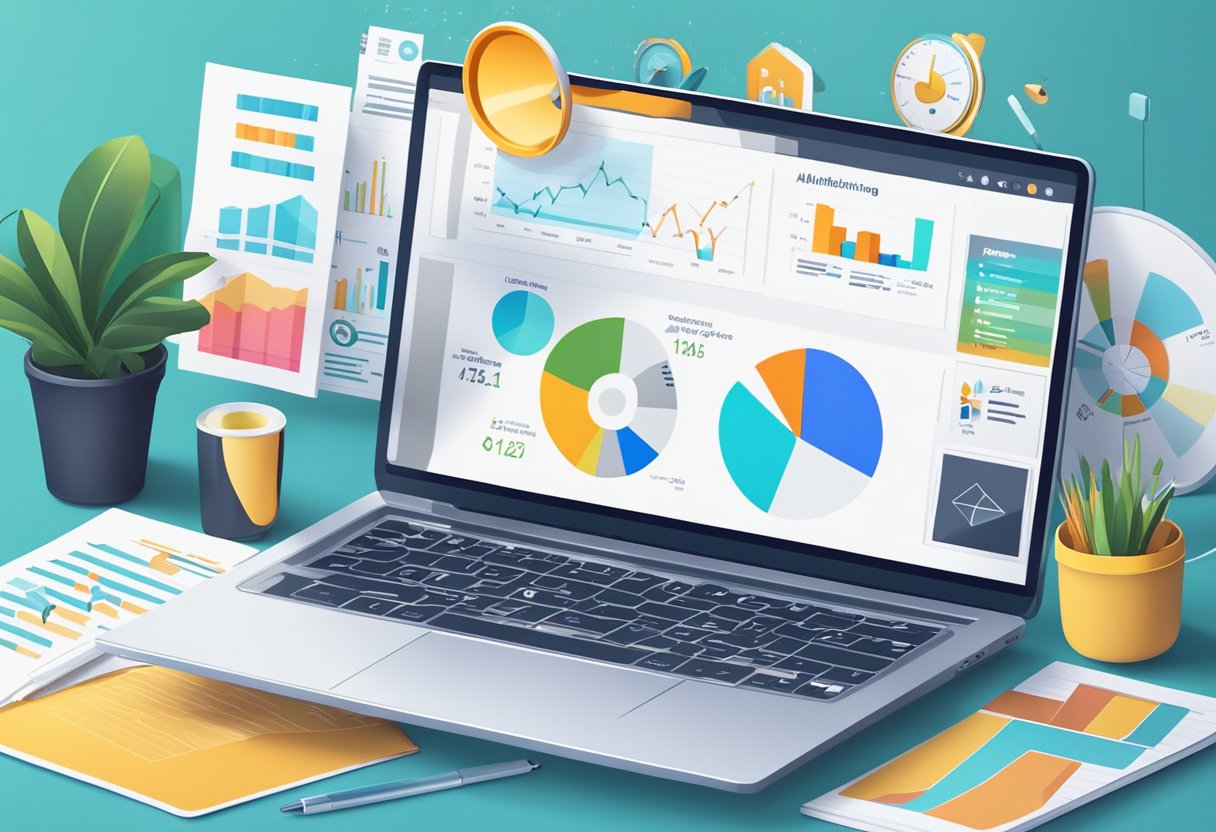
To succeed in affiliate marketing, I focus on effective promotion techniques, optimizing for higher conversion rates, and leveraging data on user behavior. These strategies are essential for driving traffic and ensuring that my efforts result in tangible rewards.
Effective Promotion Techniques
I use various methods to promote my affiliate links and attract potential customers. Content marketing is one of my favorites. I create valuable blog posts, reviews, and videos that showcase the products I recommend. This helps build trust with my audience.
Social media is another powerful tool. I share engaging posts and host live sessions that highlight product benefits. Paid advertising allows me to target specific demographics and drive traffic instantly. I also collaborate with influencers to expand my reach, as they often have dedicated followers who trust their recommendations.
Optimizing for Conversion Rates
Maximizing conversion rates is crucial for my success. I ensure my landing pages are clean and easy to navigate. Key elements include clear call-to-action buttons and concise descriptions. This way, visitors understand what action they need to take.
Using A/B testing helps me determine which elements perform better. I test headlines, images, and placement of affiliate links to see what resonates most with my audience. Building trust is vital, so I include testimonials and social proof to reassure potential customers about their purchase.
Leveraging Data and User Behavior
Understanding user behavior guides my marketing efforts. I analyze data to see where my traffic is coming from and which content attracts the most visitors. Tools like Google Analytics help me track how users interact with my site.
By observing user flow, I identify potential drop-off points. This allows me to make changes that enhance the user experience. I focus on the audience’s needs and preferences, continually refining my approach based on insights I gather.
The Role of Content in Affiliate Marketing
Content plays a crucial role in affiliate marketing. It helps drive traffic, engage audiences, and build trust. By focusing on high-quality and diverse content, I can connect with my target audience and enhance my affiliate partnerships.
Content Marketing Integration
I see content marketing as the backbone of affiliate marketing efforts. By creating valuable articles, videos, and infographics, I can attract potential customers and guide them towards my affiliate products. Combining SEO techniques with engaging content helps increase visibility. Blogs and detailed guides that answer customer questions are effective tools.
Moreover, I can use email marketing to share my content directly with my audience. This creates a direct channel to promote affiliate products while providing useful information. Integrating content marketing into my strategy enhances my chances of converting readers into buyers.
Utilizing Influencers and Content Creators
Collaborating with influencers and content creators is another effective strategy. These individuals have established trust with their followers, making their endorsements powerful. I can partner with them to reach a wider audience and add credibility to my affiliate promotions.
For example, when an influencer shares a review or demonstration of a product I promote, it can significantly boost interest. I must choose influencers who align with my brand. Ensuring that the partnership feels authentic is crucial for engagement.
Additionally, I can work with micro-influencers, who often have strong connections with niche audiences. Their focused content can lead to higher conversion rates for affiliate products.
Diversifying Content for Audience Engagement
Diverse content is essential for keeping my audience engaged. I can mix formats such as blog posts, videos, podcasts, and social media updates. This variety allows me to reach different segments of my audience effectively.
Using interactive content, like quizzes or polls, can also enhance engagement. I can encourage my audience to participate actively, making them more invested in my content. This approach not only drives traffic but also helps build a loyal community around my brand.
By tailoring my content to various platforms, I can attract more viewers and potential buyers. Understanding where my audience spends their time is vital in creating effective and engaging content.
Utilizing Social Media Platforms
Social media platforms are powerful tools for affiliate marketing. By leveraging these networks, I can reach larger audiences, engage with potential customers, and boost conversions. I find the following strategies particularly effective across different platforms.
Influencer Partnerships on Instagram and TikTok
Instagram and TikTok thrive on visual content and engagement. I can tap into influencer partnerships to promote products effectively. Influencers have loyal followers who trust their recommendations.
I often look for influencers who align with my niche. Their posts can showcase products in authentic ways. For example, an influencer might create tutorials or unboxing videos to highlight a product’s features.
Using affiliate links in posts or bios allows me to track sales easily. Compliance with FTC guidelines is crucial, so I ensure influencers disclose partnerships. This transparency builds trust and drives engagement.
YouTube as an Affiliate Marketing Channel
YouTube serves as an excellent platform for affiliate marketing. I can create detailed product reviews, tutorials, and comparison videos. This helps potential customers understand my recommendations thoroughly.
In my videos, I include affiliate links in the description. This allows viewers to make direct purchases while giving me credit for the sale. Engaging video thumbnails and titles are essential for attracting viewers.
Consistency is key on YouTube. I aim to upload regularly to keep my audience engaged. By analyzing viewer feedback and metrics, I can refine my content strategy for better results.
LinkedIn Strategies for B2B Affiliate Marketing
LinkedIn is ideal for B2B affiliate marketing. I focus on building professional relationships to promote products and services effectively. Sharing industry insights and valuable content helps establish my credibility.
I often participate in relevant groups and discussions to connect with key decision-makers. Sharing case studies and testimonials showcases the value of the products I promote. This approach encourages trust and attracts potential partners.
Utilizing LinkedIn’s publishing platform allows me to share articles with a wider audience. Incorporating affiliate links naturally within this content is effective in driving conversions. Engaging with comments and feedback strengthens my professional network.
Technological Innovations and Tools

In 2024, technology continues to transform affiliate marketing. Advancements in software, artificial intelligence, and automation are playing key roles in enhancing marketing strategies. This section explores powerful tools and innovations that are shaping the landscape.
Affiliate Marketing Software Solutions
I have seen a surge in sophisticated affiliate marketing software solutions that streamline program management. These tools help businesses track sales, monitor affiliate performance, and manage payouts efficiently.
Popular platforms include LinkShare, Impact, and Awin. Adopting these tools saves time and reduces mistakes. They often come with features like customizable dashboards and real-time reporting.
Using these solutions means I can focus more on strategy while technology handles the data. These advancements are pivotal in helping marketers optimize their affiliate programs effectively.
Influence of AI and Automation
Artificial intelligence (AI) and automation are revolutionizing how I approach affiliate marketing. AI algorithms analyze consumer behavior, allowing for targeted marketing strategies. This leads to more effective campaigns and higher conversion rates.
Automated tools facilitate tasks such as email marketing and social media promotions. By automating these processes, I can engage with customers at optimal times without manual effort. Automation not only saves time but also ensures consistent communication with potential leads.
Additionally, AI can personalize user experiences. This personalization boosts affiliate performance by presenting the most relevant offers to consumers.
Adaptations in Tracking and Analytics
Tracking and analytics have evolved significantly in affiliate marketing. With the rise of data protection regulations, traditional tracking cookies face challenges. As a result, I rely more on server-to-server tracking, which provides greater reliability and security.
Modern analytics platforms offer insights into customer journeys, helping me understand how users interact with my content. This information is crucial for optimizing campaigns and improving ROI.
Advanced tools like Google Analytics and Adobe Analytics allow for deeper data analysis. They help pinpoint which strategies are effective and which need adjustment. Adapting to these new tracking methods ensures that I stay ahead in the competitive market.
Regulations and Compliance

Staying compliant with regulations is crucial for affiliate marketers in 2024. I need to navigate various laws and adapt to changes in technology, especially regarding cookies and browser updates.
Understanding Affiliate Marketing Regulations
Affiliate marketers must comply with several key regulations. One important law is the FTC Act, which mandates truthfulness in advertising. I must clearly disclose any affiliations to maintain transparency.
Additionally, the CAN-SPAM Act outlines email marketing rules. It requires me to provide a clear way for recipients to opt-out of emails. Violating these regulations can result in penalties and damage to my reputation.
I also need to consider the GDPR and CCPA, which protect consumer data in Europe and California, respectively. These laws demand strict adherence to privacy practices when handling personal data.
Navigating Cookie and Browser Changes
Changes in cookies and browser settings are significant in affiliate marketing. Recent updates, especially in the Chrome browser, focus on user privacy. Google plans to phase out third-party cookies, which affects how I track user behavior.
I need to adapt my strategies to use first-party data. This involves collecting data directly from users through my website, which is more compliant with privacy regulations.
Furthermore, staying updated on new tracking technologies, like Google’s Privacy Sandbox, will be vital. These tools aim to balance user privacy with the ability to measure ad performance without compromising data security.
Collaborative Strategies and Co-Marketing

In today’s affiliate marketing landscape, collaboration is key. By working together with other brands and marketers, I can create more engaging and effective campaigns. Here are some strategies to enhance co-marketing efforts.
Co-Creating Content with Brands
Co-creating content is a powerful way to leverage each brand’s strengths. I can partner with relevant brands to develop blog posts, videos, or social media content that benefits both parties.
Benefits of Co-Creating Content:
- Shared Audience: Access to each other’s followers increases reach.
- Enhanced Credibility: Collaboration boosts trust among consumers.
- Diverse Perspectives: Combining different viewpoints can lead to richer content.
When I collaborate, it’s important to align messaging and goals. This ensures that the content resonates with both brands’ audiences. Effective content co-creation often results in higher engagement and conversions.
Hosting Joint Webinars and Events
Hosting joint webinars and events provides a platform to share knowledge and engage directly with audiences. I can team up with another brand to cover relevant topics that appeal to our shared audience.
Key Points for Successful Events:
- Choose Relevant Topics: Focus on subjects that interest both audiences.
- Promote Collaboratively: Use all available channels to maximize visibility.
- Interactive Elements: Include Q&A sessions or polls to engage participants.
By collaborating on events, I not only enhance credibility but also gather valuable leads. This approach allows my audience to connect with both brands, fostering trust and loyalty.
Building Strategic Partnerships
Strategic partnerships are essential for long-term success in affiliate marketing. I look for brands that complement my offerings to create a mutually beneficial relationship.
Elements of Strong Partnerships:
- Shared Goals: Aligning objectives ensures both brands work towards common outcomes.
- Regular Communication: Maintaining clear lines of communication is crucial.
- Performance Tracking: Regularly assessing the partnership’s impact helps identify areas for improvement.
By fostering strong partnerships, I can enhance brand visibility and drive greater engagement. This collaborative approach often leads to innovative marketing solutions that benefit all involved.
Measuring Success and ROI in Affiliate Marketing

I find that measuring success and return on investment (ROI) in affiliate marketing is crucial for ongoing campaigns. Understanding how to evaluate performance can help me make informed decisions that enhance profitability and effectiveness.
Key Performance Indicators
Key performance indicators (KPIs) are vital in tracking the success of affiliate marketing efforts. I focus on metrics like conversion rate, which indicates the percentage of visitors that complete a desired action after clicking on my affiliate link. Typically, conversion rates can vary, with averages ranging from 1% to 3%.
I also track return on investment (ROI), calculated as:
ROI = (Revenue – Cost) / Cost × 100%
This gives me a clear picture of whether the profits exceed my spending. Monitoring these KPIs helps me identify areas where I can improve and optimize my marketing strategies.
Revenue Tracking and Attribution
Revenue tracking is essential to understand which affiliates are generating income. I use different attribution models to analyze how sales can be credited back to affiliates. This clarity allows me to see which partnerships are the most profitable.
I often rely on software tools that can track clicks, conversions, and revenue in real time. This data helps me adjust my strategies and maximize my earnings. Knowing which affiliates drive the most revenue allows me to allocate my budget more effectively.
Affiliate Marketing Spending and Budgeting
Effective budgeting in affiliate marketing ensures I can achieve the best results without overspending. I keep a close eye on affiliate commissions, platform fees, and promotional materials to get a clear view of my total costs.
Understanding my total spending helps me calculate ROI accurately. For example, if I spend $200 on affiliate fees and generate $1,000 in revenue, my ROI is 400%. By regularly reviewing these expenditures, I can adjust my strategy and optimize spending for better results. This ongoing analysis keeps my affiliate marketing efforts aligned with my financial goals.